Get 20% Off On your first Packaging Purchase

Why Flexible Packaging is the Sustainable Choice for Modern Businesses

Do you know 70% of U.S. consumers are willing to pay more for sustainable packaging. 

And the flexible packaging market in India is expected to grow by USD 15.57 billion between 2023 and 2028, accelerating at a CAGR of 12.69% during this period.

Flexible packaging has emerged as a cornerstone of sustainability in the packaging industry, offering a unique blend of efficiency, convenience, and environmental responsibility. For modern businesses, adopting flexible packaging is not just a trend but a strategic move to align with consumer values and regulatory demands.

Here are the key reasons why flexible packaging is the sustainable choice for modern businesses:

1. Resource Efficiency

Flexible packaging boasts a low packaging-to-product ratio, being 5 to 10 times lower than alternative solutions.

It uses significantly less material compared to traditional rigid packaging. This reduction in material usage translates into lower energy consumption during manufacturing and transportation.

Our designs prioritize resource efficiency, helping businesses reduce their environmental impact with materials like biodegradable Packaging, plastic free packaging and much more.

2. Lower Carbon Footprint

The production and transportation of flexible packaging result in a smaller carbon footprint compared to alternatives like glass or metal.

For instance, transitioning all food packaging to flexible materials in the EU could reduce the total carbon footprint for packaging by 40%, equating to approximately 1% of all EU greenhouse emissions.

Businesses that adopt flexible packaging can market their products as environmentally responsible, appealing to eco-conscious consumers. Our solutions support this transition, enabling businesses to meet their sustainability goals.

3. Enhanced Recyclability and Compostability

With advancements in material science, flexible packaging is increasingly being designed with recyclability in mind. Mono-material packaging, for instance, simplifies the recycling process, while compostable materials provide an eco-friendly alternative for disposal. 

We focus on delivering recyclable and compostable options like biodegradable packaging, Kraft paper, Plant made compostable pouches and much more, that align with consumer and regulatory expectations.

4. Support for Circular Economy Goals

Flexible packaging aligns with the principles of a circular economy by promoting reuse, recycling, and waste reduction.

Businesses that integrate flexible packaging into their operations contribute to a more sustainable supply chain.

We are dedicated to creating solutions that support these principles and drive industry-wide progress.

Brands like Nespresso, Cafe Mam, Larry’s Coffee, & Coffee Culture using recyclable packaging to reducing carbon foot prints 


5. Consumer Convenience and Waste Reduction

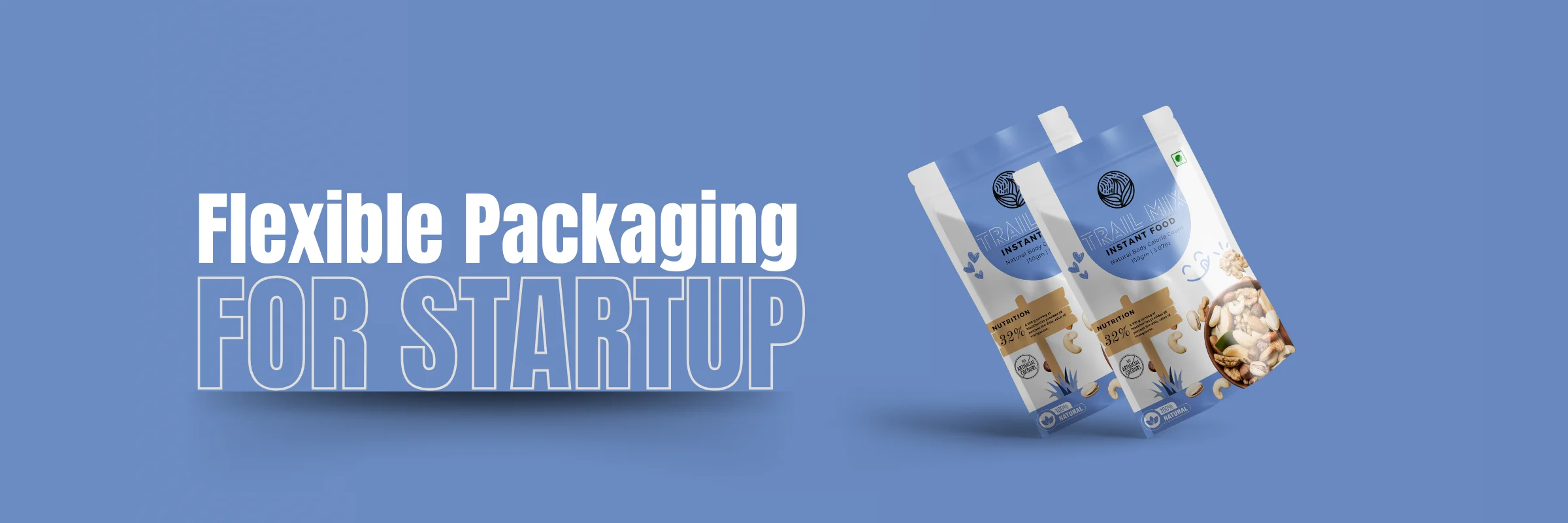
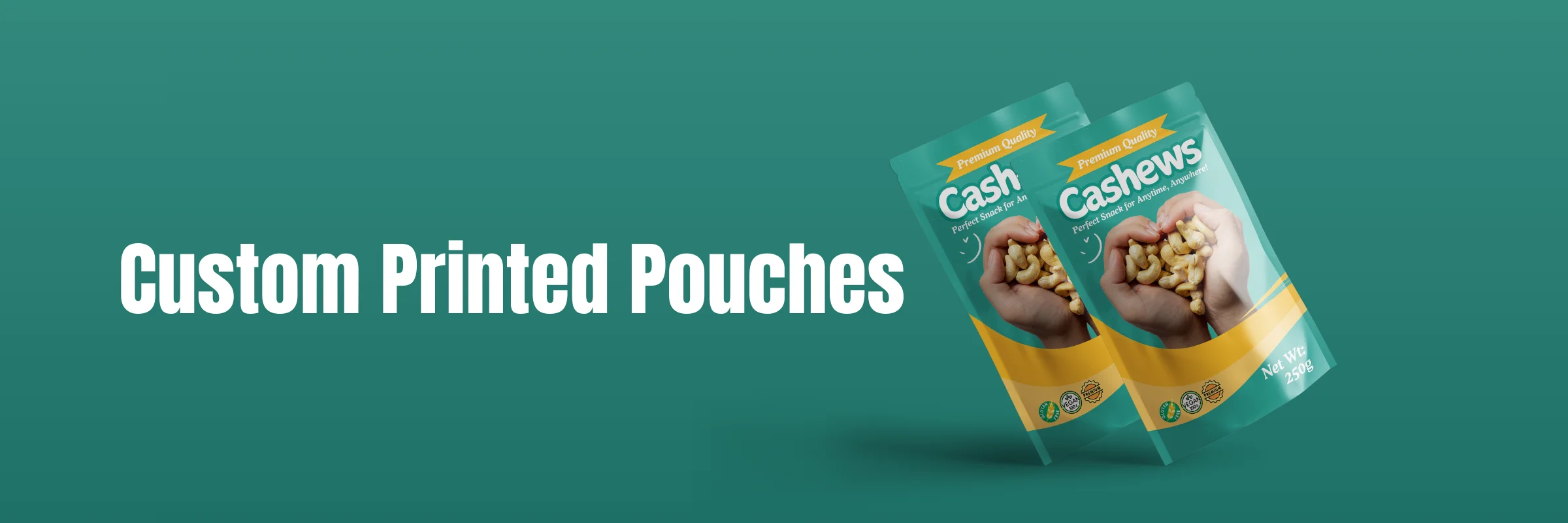
Flexible packaging, like 3-side seal pouches, stand-up pouches, stick packs, flat bottom pouches, and quad seal pouches, is designed to make life easier. With features like resealable closures and portion control, it’s all about convenience while helping to cut down on food waste. By keeping products fresher for longer, our packaging solutions save you from frequent trips to the store and reduce the chances of food going to waste, making them a smart and sustainable choice.

6. Adaptability to Diverse Applications

Flexible packaging is highly versatile, catering to a wide range of industries, from food and beverages to personal care and pharmaceuticals. This adaptability allows businesses to create custom solutions that meet both functional and sustainability needs. We excel in providing tailored packaging solutions for diverse applications.

7. Cost-Effectiveness

For businesses, flexible packaging represents a cost-effective solution that combines sustainability with performance. 

The reduced material and transportation costs, coupled with increased shelf life and product protection, result in long-term savings and improved profitability. 

We ensure that our clients benefit from both economic and environmental advantages.

8. Regulatory Compliance

With governments worldwide enforcing stricter packaging regulations, businesses must adapt to stay compliant. Flexible packaging’s eco-friendly attributes, such as reduced plastic usage and recyclability, make it an ideal choice for meeting regulatory standards while maintaining brand integrity. We are committed to helping businesses navigate these challenges with innovative solutions.

Conclusion

Flexible packaging is transforming the way businesses approach sustainability, offering a powerful combination of environmental benefits and practical advantages. As consumer demand for eco-friendly products grows, modern businesses that prioritize flexible packaging will not only enhance their market position but also contribute to a greener future.

We are proud to be at the forefront of this transformation, delivering sustainable, high-quality packaging solutions that meet the needs of businesses and consumers alike. By adopting flexible packaging, businesses can meet their sustainability goals, reduce costs, and deliver exceptional value to consumers. It’s a win-win solution for both the planet and the bottom line.

Trending Topics