
Innovative Uses of Doy Packs Across Food, Beverage, and Non-Food Industries
Innovative Uses of Doy Packs Across Food, Beverage, and Non-Food
As the world becomes more interconnected and environmentally conscious, industries are rapidly evolving to meet changing demands. The flexible packaging industry is no exception.
Known for its versatility, lightweight nature, and cost-effectiveness, flexible packaging is increasingly adapting to meet consumer preferences, regulatory pressures, and technological advancements.
Let’s explore the key trends set to redefine the industry in India by 2025.
We offer tailored solutions like stand-up pouches, box bottom, 3-side seal, and more for industries including food & beverages, pet food, confectionery, and beyond.
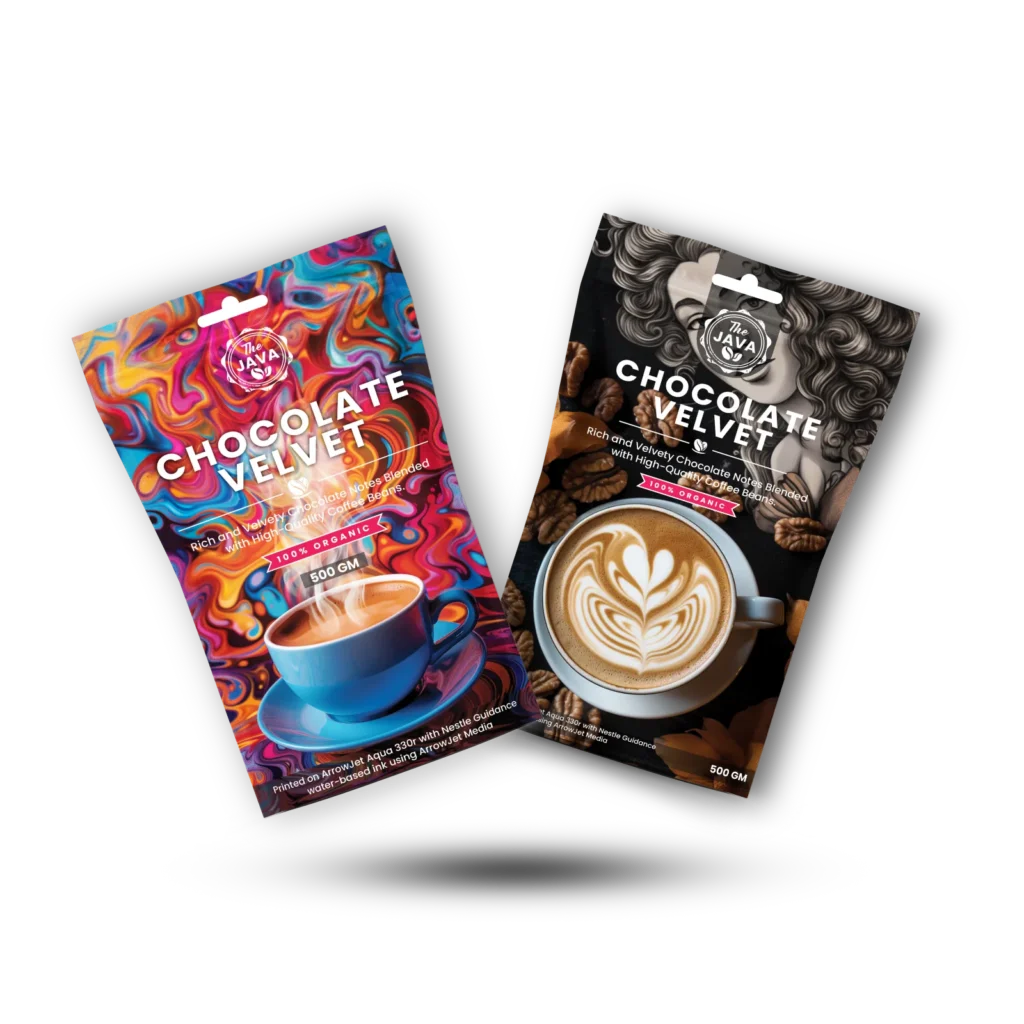
Sustainability has become a driving force in the packaging industry, and flexible packaging in India is no different.
By 2025, we can expect a significant shift toward eco-friendly materials. With government initiatives like the ban on single-use plastics and increasing consumer awareness, brands will adopt biodegradable, compostable, and recyclable materials to address environmental concerns.
We are committed to exploring innovative solutions, such as using agricultural by-products like bagasse and starch-based polymers, to replace traditional plastics, aligning with the growing demand for sustainable materials.
This aligns with the growing demand for sustainable materials and supports our goal of contributing to a circular economy.
Advancements in digital printing technology are set to change the way flexible packaging is designed and produced in India.
Digital printing offers greater flexibility, enabling brands to create personalized and regionalized designs to cater to India’s diverse consumer base.
Our team leverages digital printing technology to offer high-quality, on-demand packaging solutions that minimize waste.
This not only minimizes waste but also enables businesses to create visually striking designs that resonate with their target audience, especially in India’s fast-moving consumer goods (FMCG) sector.
Smart packaging is emerging as a powerful tool to engage consumers and provide added value. This 2025, we will see widespread adoption of technologies like QR codes, NFC (Near Field Communication), and RFID (Radio Frequency Identification) in flexible packaging across Indian markets.
Smart technologies are being incorporated into our packaging solutions, enabling brands to share product information in regional languages and offer interactive experiences.
This enhances consumer trust and improves supply chain efficiency, especially for India’s expanding e-commerce market.
The rapid growth of e-commerce in India, driven by platforms like Amazon, Flipkart, and other emerging Local & Global brands have created new challenges and opportunities for the flexible packaging industry. Industries like confectionary, Agriculture, Food and Beverages and Pet foods are extensively using Flexible packaging.
Switching from traditional packaging to flexible packaging have given brands a boost in their sales, cost savings and aesthetic market presence 2025, packaging will need to cater to the unique demands of online shopping, such as durability, lightweight design, and cost-efficiency.
We address these needs by developing durable and lightweight packaging solutions that ensure product protection while minimizing shipping costs.
Our focus on resealable, single-serve, and portable packaging formats aligns with the increasing demand for convenience among Indian consumers.
India’s regulatory environment is evolving, with stricter laws to curb plastic pollution. Compliance with these regulations, such as extended producer responsibility (EPR) guidelines, will be a top priority for manufacturers by 2025.
We actively collaborate with research institutions and regulatory bodies to develop advanced materials that meet these standards.
Our goal is to provide sustainable yet functional packaging solutions that align with government policies and consumer expectations.
Food safety is a top priority for Indian consumers and regulators, and flexible packaging is constantly evolving to meet these demands.
By enhancing barrier properties, we can better protect products from contamination, moisture, and oxygen, ensuring they stay fresh and safe.
Our packaging solutions go a step further with advanced barrier technologies that not only extend shelf life but also help reduce food waste.
We’ve even incorporated antimicrobial properties to keep packaged goods fresh and safe, making them a perfect fit for India’s diverse population.
Plus, we use water-based pigment inks that are Swiss compliant, ensuring our solutions are not just innovative but also meet the strictest safety standards for the food and pharmaceutical industries.
Automation and digital transformation will play a pivotal role in the future of flexible packaging manufacturing in India. Industry 4.0 technologies, such as IoT (Internet of Things), AI (Artificial Intelligence), and robotics, will streamline production processes, improve efficiency, and reduce waste.
We are investing in smart factory technologies to enhance our manufacturing capabilities. Real-time monitoring systems enable us to quickly identify and address issues, ensuring high-quality output and faster time-to-market for our clients.
Indian consumers are increasingly drawn to minimalist packaging designs that communicate simplicity and authenticity.
In 2025, Flexible packaging in India will reflect these preferences, focusing on clean, uncluttered designs that highlight essential information in regional languages.
We embrace this trend by creating packaging solutions with functional design elements such as easy-to-open features, resealable closures, and portion control.
These innovations enhance user convenience and align with sustainability goals.
As India’s flexible packaging industry navigates environmental and regulatory challenges, global collaboration will become essential.
Industry players will work together to establish standardized practices and materials, making it easier to achieve sustainability goals.
We actively participate in collaborative initiatives to develop innovative packaging solutions that benefit businesses and the environment. By fostering partnerships, we aim to accelerate the transition to a circular economy.
Innovative Uses of Doy Packs Across Food, Beverage, and Non-Food
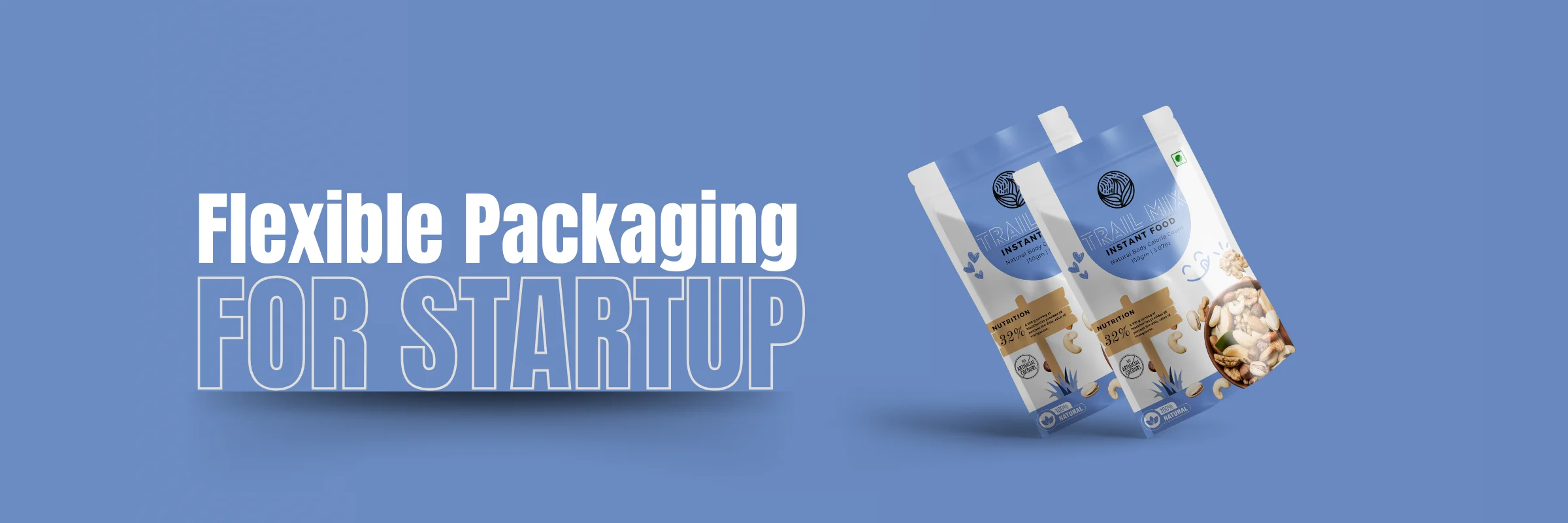
Flexible Packaging for Startups: Why It’s Cost-Effective and Efficient Startups
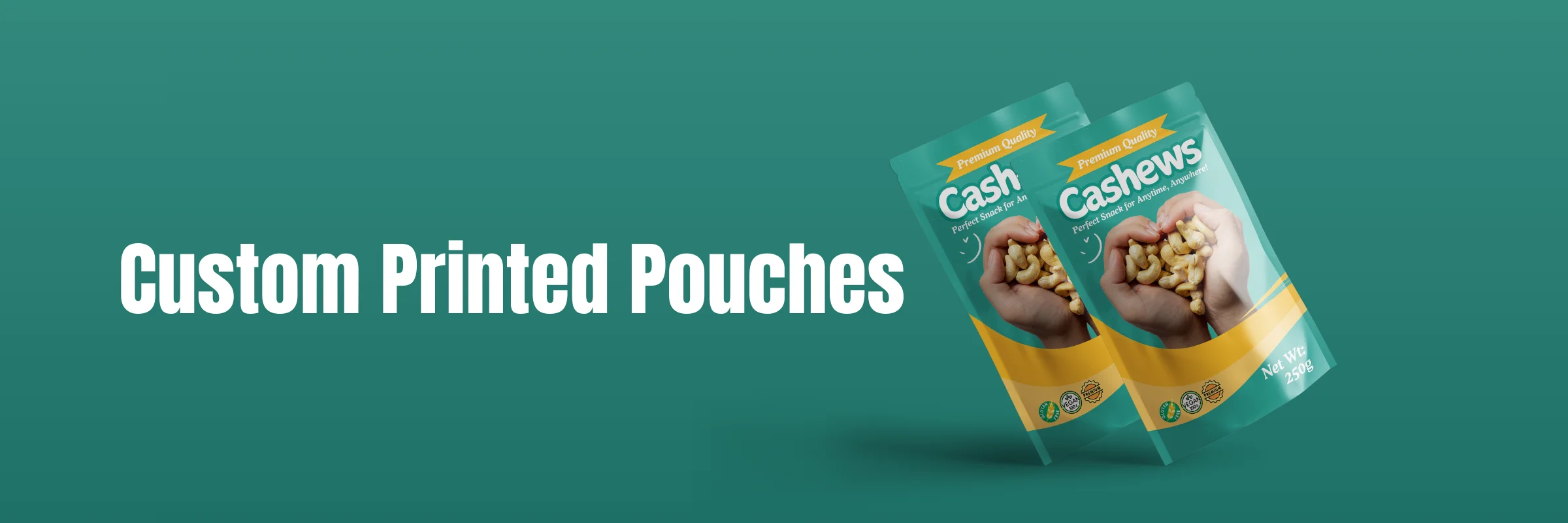
Custom Printed Pouches: How Digital Printing Can Elevate Your Brand